
2007 Honda Odyssey Manual: A Comprehensive Guide
Welcome! This detailed manual assists new owners in understanding and operating their 2007 Honda Odyssey, ensuring a safe and enjoyable driving experience․
Congratulations on acquiring a 2007 Honda Odyssey, a vehicle renowned for its spaciousness, versatility, and family-friendly features․ This minivan was engineered to provide comfortable transportation for passengers and cargo alike, making it an ideal choice for families and those with active lifestyles․
This introduction serves as your starting point for understanding everything your Odyssey offers․ We’ll guide you through its core functionalities, highlighting key aspects of its design and operation․ Familiarizing yourself with this manual will unlock the full potential of your vehicle, ensuring a safe, reliable, and enjoyable ownership experience․
The 2007 Odyssey represents Honda’s commitment to innovation and quality․ Prepare to discover a vehicle built for convenience, safety, and lasting performance․ Let’s begin your journey with a comprehensive overview of your new minivan!
Understanding Your Vehicle’s Documentation
Your 2007 Honda Odyssey comes with several important documents designed to assist you throughout your ownership experience․ Beyond this Owner’s Manual, you’ll receive a Warranty Booklet detailing the coverage for your vehicle, and a Maintenance Schedule outlining recommended service intervals․
The Warranty Booklet provides crucial information regarding repairs and component coverage․ The Maintenance Schedule is vital for preserving your Odyssey’s performance and longevity; adhering to it ensures optimal reliability․ Additionally, a separate booklet details the Vehicle Identification Number (VIN) and important contact information for Honda Customer Service․
Please retain all documentation in a safe and accessible location within the vehicle․ Familiarize yourself with the contents of each booklet – understanding these resources will empower you to make informed decisions regarding your Odyssey’s care and maintenance․

Key Features and Specifications
Discover the 2007 Odyssey’s strengths! This section details engine performance, transmission specifics, interior comforts, and exterior design elements for informed ownership․
Engine and Performance Specifications
Powering the 2007 Honda Odyssey is a robust 3․5-liter, 24-valve SOHC i-VTEC V6 engine, delivering a balance of power and efficiency for various driving conditions․ This engine consistently produces 244 horsepower at 5600 rpm and 240 lb-ft of torque at 4800 rpm, providing ample capability for hauling passengers and cargo․
The engine block is constructed from aluminum, contributing to a lighter overall vehicle weight and improved fuel economy․ Fuel injection is programmed, optimizing combustion for enhanced performance and reduced emissions․ The compression ratio is set at 10․0:1, striking a balance between power output and fuel efficiency․
Regarding performance, the 2007 Odyssey achieves responsive acceleration and smooth cruising․ It’s designed for family transportation, offering a comfortable ride without sacrificing capability․ These specifications ensure a reliable and enjoyable driving experience for owners․
Transmission Details (Automatic)
The 2007 Honda Odyssey exclusively features a 5-speed automatic transmission, meticulously engineered to complement the engine’s power delivery and enhance the overall driving experience․ This transmission utilizes Honda’s advanced torque converter technology, ensuring smooth and seamless gear changes under various driving conditions․
The automatic transmission is electronically controlled, optimizing shift points based on factors like vehicle speed, throttle position, and engine load․ This intelligent system contributes to improved fuel efficiency and responsive acceleration․ Drivers can also manually select gears using the “SportShift” lever, providing greater control when desired․
Regular transmission fluid checks and maintenance are crucial for optimal performance and longevity․ Honda recommends specific transmission fluid types; using the correct fluid is vital to prevent damage and ensure smooth operation․ This transmission is designed for reliability and durability․
Interior Features and Comfort
The 2007 Honda Odyssey’s interior prioritizes family comfort and versatility․ Seating for up to eight passengers is standard, with configurations allowing for flexible cargo space․ Tri-zone automatic climate control ensures personalized comfort for all occupants, while available rear climate controls further enhance the experience․

The Odyssey boasts a spacious cabin with ample headroom and legroom in all rows․ Premium cloth upholstery is standard, with leather options available on higher trims․ A comprehensive audio system, often including a CD player and auxiliary input, provides entertainment․ Power windows, locks, and mirrors are standard features․
Thoughtful storage solutions abound, including numerous cupholders, door pockets, and a large center console․ The innovative “Magic Slide” second-row seats simplify access to the third row, maximizing convenience for passengers and cargo alike․
Exterior Features and Design
The 2007 Honda Odyssey presents a practical and family-friendly exterior design․ Its aerodynamic profile contributes to fuel efficiency, while the spacious body accommodates up to eight passengers and ample cargo․ Standard features include power side mirrors, and automatic headlights for enhanced visibility․
Available exterior options include alloy wheels, a power moonroof, and roof rails for added versatility․ The rear liftgate provides easy access to the cargo area, and often features a window wiper for improved visibility in inclement weather․ The Odyssey’s overall aesthetic is clean and modern, appealing to a wide range of drivers․
Color options typically include a variety of metallic and pearl finishes․ Durable paint and corrosion resistance contribute to the vehicle’s longevity․ The exterior design balances functionality with a touch of style, making the Odyssey a practical and attractive choice․
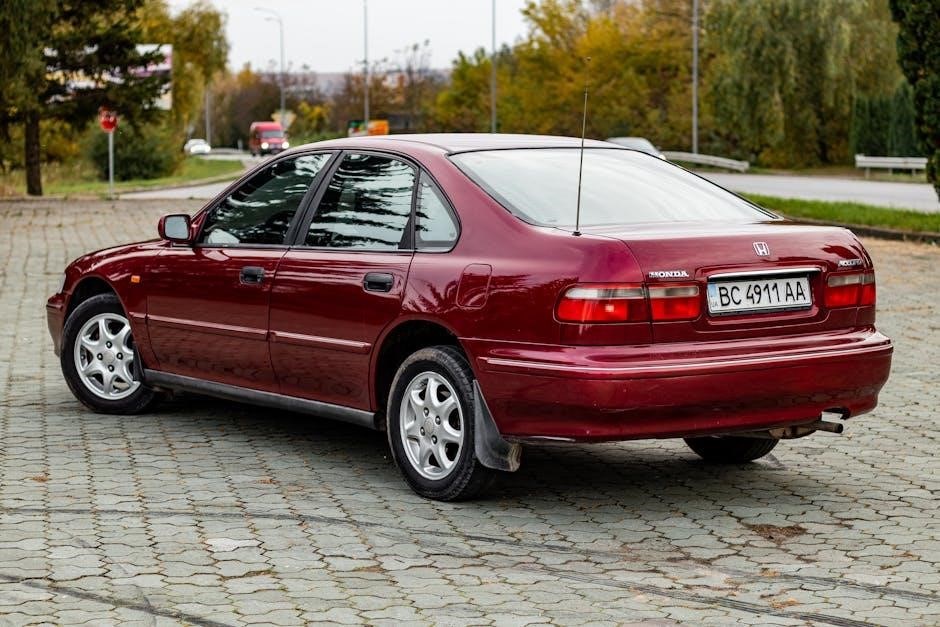
Operating Your 2007 Honda Odyssey
This section details essential procedures for safely and effectively operating your 2007 Odyssey, covering everything from starting the engine to utilizing driving controls․
Starting and Stopping the Engine
Starting your 2007 Honda Odyssey is a straightforward process․ Ensure the parking brake is engaged and the transmission is in Park (P)․ Insert the key into the ignition and turn it to the “II” position – this illuminates the dashboard indicators․ Then, turn the key further to the “START” position and hold it until the engine starts․ Release the key once the engine is running smoothly․
To stop the engine, gently apply the brakes and shift the transmission into Park (P)․ Turn the ignition key to the “LOCK” position, removing the key․ Always ensure the vehicle is completely stopped before shifting into Park․ Never turn off the engine while driving, as this will disable power steering and potentially cause a loss of control․ Familiarize yourself with these procedures for safe operation and to avoid unnecessary strain on the starting system․
Important Note: If the engine fails to start, check the battery connections and fuel level․ Repeated starting attempts can drain the battery․
Driving Modes and Controls
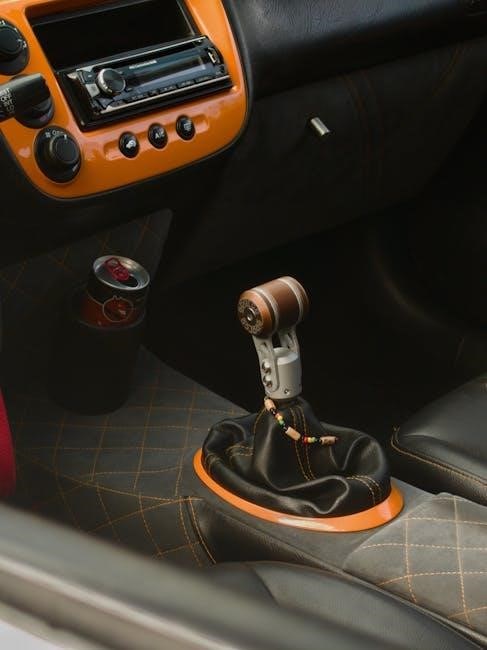
The 2007 Honda Odyssey primarily operates in standard Drive (D) mode for everyday driving․ For enhanced engine braking when descending steep hills or towing, utilize the lower gear selections (D3, 2, or 1)․ These modes limit the transmission’s upshifting, providing greater control․ The gear selector also includes a SportShift gate, allowing manual gear selection for a more engaging driving experience․
Key controls include the steering wheel-mounted audio controls, climate control buttons, and the multi-information display․ The Odyssey features cruise control, activated via a button on the steering wheel, maintaining a set speed․ Familiarize yourself with the location and function of all controls before operating the vehicle․ Proper use of these features enhances both comfort and safety during your journey․
Remember to always prioritize safe driving practices and adjust your driving mode to suit the current road conditions․
Fueling and Fluid Checks
Your 2007 Honda Odyssey requires unleaded gasoline with an octane rating of 87 or higher․ The fuel tank capacity is 20 gallons․ Always ensure the vehicle is parked on a level surface and the engine is off before refueling․ Regularly check fluid levels to maintain optimal performance․ This includes engine oil, coolant, brake fluid, power steering fluid, and windshield washer fluid․
Locate the dipsticks and reservoir caps, typically marked with easily identifiable symbols․ Refer to the vehicle’s diagrams for precise locations․ Wipe the dipstick clean, reinsert it fully, and then remove it to check the fluid level․ Add fluid as needed, using the recommended type specified in this manual․
Consistent fluid checks contribute to the longevity and reliability of your Odyssey․
Understanding the Dashboard Indicators
The instrument panel of your 2007 Honda Odyssey features several warning and indicator lights․ Familiarize yourself with these to quickly identify potential issues․ Key lights include the check engine light (illuminates for engine problems), the oil pressure light (indicates low oil pressure – stop immediately if lit), and the battery warning light (signals charging system issues)․
Other important indicators include the brake warning light (may indicate parking brake engagement or low brake fluid), the ABS light (signals ABS system malfunction), and various turn signal indicators․ A comprehensive list and detailed explanations of each light are provided in this manual․
Pay close attention to any illuminated warning lights and consult this guide for appropriate action․
Maintenance and Servicing
Regular maintenance is crucial for your 2007 Odyssey’s longevity and performance․ This section details recommended schedules, fluid checks, and component servicing procedures․
Recommended Maintenance Schedule
Maintaining your 2007 Honda Odyssey requires adherence to a specific schedule to ensure optimal performance and reliability․ Every oil change (typically every 5,000-7,500 miles) should include a multi-point inspection․ This inspection covers vital components like belts, hoses, and fluids․
At 30,000 miles, consider replacing the air cleaner element, inspecting the drive belt, and checking the cooling system․ By 60,000 miles, the spark plugs, transmission fluid, and engine coolant should be replaced․ Further inspections of the suspension and steering components are also recommended․
Important Note: Severe driving conditions – frequent short trips, towing, or driving in dusty environments – may necessitate more frequent maintenance intervals․ Always consult your owner’s manual for the most accurate and up-to-date schedule tailored to your driving habits and conditions․ Following this schedule will help prevent costly repairs and extend the life of your Odyssey․
Oil Change Procedures
Performing an oil change on your 2007 Honda Odyssey is a crucial maintenance task․ First, warm up the engine slightly․ Locate the oil drain plug underneath the vehicle and position a drain pan․ Carefully remove the plug, allowing the old oil to drain completely․
Next, remove the old oil filter using an oil filter wrench․ Lightly lubricate the gasket of the new oil filter with fresh oil before installing it hand-tight; Reinstall the drain plug with a new crush washer, tightening it to the specified torque․
Finally, add the recommended amount of new oil (typically 5W-20, check your owner’s manual for exact quantity)․ Check the oil level using the dipstick, ensuring it’s within the acceptable range․ Properly dispose of the used oil and filter at a designated recycling center․
Tire Maintenance and Replacement
Maintaining proper tire pressure is vital for your 2007 Honda Odyssey’s safety and fuel efficiency․ Check tire pressure monthly using a reliable gauge, and inflate to the recommended PSI (found on the driver’s side doorjamb)․ Regularly inspect tires for wear, damage, and uneven tread patterns․
Rotate your tires every 5,000-7,500 miles to promote even wear․ When replacing tires, ensure they match the original equipment specifications in size and load rating․ Use a torque wrench to tighten lug nuts to the correct specification after installation․
Inspect the tire tread depth; when it reaches 2/32 of an inch, replacement is necessary․ Always replace tires in pairs on the same axle for balanced handling․ Proper tire care extends tire life and enhances vehicle performance․
Brake System Maintenance
Regular brake system inspections are crucial for the safety of your 2007 Honda Odyssey․ Have your brake pads, rotors, and lines inspected by a qualified technician at least once a year, or more frequently if you notice any issues like squealing or grinding noises․
Check brake fluid levels monthly and ensure it’s at the “MAX” line․ Low brake fluid can indicate a leak or worn brake pads․ Brake fluid should be flushed and replaced every two to three years to maintain optimal performance․
Inspect brake hoses for cracks or damage․ Address any brake system concerns promptly to prevent more significant and costly repairs, and to ensure reliable stopping power․ Ignoring brake maintenance can compromise your safety․
Safety Features and Operation
Prioritize safety! This section details the 2007 Odyssey’s crucial safety systems – airbags, ABS, VSA – and proper operation for driver and passenger protection․
Airbag System Information
Understanding the Airbag System: Your 2007 Honda Odyssey is equipped with a sophisticated airbag system designed to provide crucial protection in the event of a collision․ This system includes front airbags for the driver and front passenger, as well as side curtain airbags for all rows of seating․
Important Safety Notes: Always ensure all occupants are properly restrained with seatbelts․ Airbags are designed to supplement seatbelts, not replace them․ Children should always be secured in appropriate child safety seats․ Never place rear-facing infant seats in the front passenger seat if the airbag is active․
Airbag Indicator Lights: The airbag system performs self-checks upon vehicle startup․ Pay attention to the airbag indicator light on the dashboard․ A continuously illuminated light indicates a system malfunction requiring immediate attention from a qualified Honda technician․ Intermittent flashing may signal a temporary issue, but should still be investigated․ Proper functioning is vital for occupant safety․
Anti-lock Braking System (ABS)
How ABS Works: Your 2007 Honda Odyssey features an Anti-lock Braking System (ABS) designed to help maintain steering control during hard braking situations and reduce stopping distances․ ABS prevents wheel lockup, allowing you to steer while braking․ You may feel a pulsing sensation in the brake pedal when ABS activates – this is normal and indicates the system is functioning correctly․
ABS Operation & Indicators: During ABS activation, maintain firm and steady pressure on the brake pedal․ Do not pump the brakes․ The ABS indicator light on the dashboard will illuminate briefly during startup and then turn off․ If the light remains on, it indicates a system malfunction․
Important Considerations: ABS does not eliminate the need for cautious driving․ Always maintain a safe following distance and adjust your speed to road conditions․ A qualified technician should address any ABS warning light issues promptly to ensure optimal braking performance and safety․
Vehicle Stability Assist (VSA)
Understanding VSA: The 2007 Honda Odyssey is equipped with Vehicle Stability Assist (VSA), an electronic system designed to enhance stability and prevent skidding․ VSA monitors vehicle sensors and selectively applies braking force to individual wheels to help maintain directional control, particularly during emergency maneuvers or on slippery surfaces․
VSA Operation & Indicator: When VSA activates, you may notice a flashing VSA indicator light on the dashboard․ This indicates the system is working to correct a potential loss of control․ Continue steering in the desired direction and maintain steady pressure on the accelerator and brake pedals․
Important Notes: VSA is not a substitute for safe driving practices․ Always drive at a safe speed and maintain a safe following distance․ If the VSA light remains illuminated, have the system inspected by a qualified technician․ VSA can be temporarily disabled, but it’s recommended to keep it active for optimal safety․
Child Safety Seat Installation
Prioritizing Safety: Ensuring proper child safety seat installation is paramount for your child’s well-being in the 2007 Honda Odyssey․ Always refer to both the child safety seat’s instruction manual and this owner’s manual for detailed guidance․ The Odyssey features LATCH (Lower Anchors and Tethers for CHildren) lower anchors and tether anchors for secure installation․
LATCH System & Tether Usage: Locate the LATCH anchors in the second and third-row seating positions․ Utilize the tether anchors, when available, to further secure the top of the child seat, minimizing forward movement during a sudden stop․
Proper Installation Checks: After installation, verify the seat is firmly attached and doesn’t move more than one inch side-to-side or front-to-back․ Regularly inspect the installation to ensure continued security․ Consult a certified Child Passenger Safety Technician for assistance if needed․

Troubleshooting Common Issues
Diagnostic Support: This section provides guidance for resolving frequently encountered problems with your 2007 Honda Odyssey, aiding in quick and effective solutions․
Common Engine Problems
Addressing Engine Concerns: The 2007 Honda Odyssey, while reliable, can experience certain engine issues․ A frequently reported problem is a misfire, often indicated by a rough idle or check engine light․ This could stem from faulty spark plugs, ignition coils, or fuel injectors – requiring inspection and potential replacement․
Another common issue involves the Variable Cylinder Management (VCM) system․ Oil dilution, where fuel enters the oil, is a known VCM-related concern, potentially leading to reduced engine life․ Regular oil changes and monitoring oil levels are crucial․
Excessive oil consumption can also occur, potentially due to worn piston rings or valve seals․ Listen for unusual noises like knocking or ticking, which could signal more serious internal engine damage․ Prompt diagnosis by a qualified mechanic is recommended to prevent further complications and costly repairs․ Ignoring these symptoms can lead to significant engine failure․
Transmission Issues and Solutions
Navigating Transmission Challenges: The 2007 Honda Odyssey’s automatic transmission, while generally durable, can exhibit certain problems․ A common complaint is harsh or delayed shifting, often linked to low transmission fluid levels or a failing solenoid․ Regularly checking and topping off the fluid is essential․
Another frequent issue involves the torque converter, which may cause shuddering or slipping, particularly during acceleration․ A transmission flush can sometimes resolve minor fluid contamination issues, but more severe cases may require torque converter replacement․
Complete transmission failure, though less common, can occur due to prolonged neglect or internal component wear․ Listen for unusual noises like whining or clunking․ If you experience these symptoms, seek professional diagnosis and repair immediately to avoid further damage and potentially expensive rebuild or replacement costs․
Electrical System Troubleshooting
Diagnosing Electrical Concerns: The 2007 Honda Odyssey’s electrical system, encompassing everything from lights to power windows, can present various issues․ A frequent problem is a dead battery, often caused by leaving lights on or a failing alternator․ Testing the battery and alternator’s charging voltage is a crucial first step․
Fuse failures are also common; consult the fuse box diagram (located within the owner’s manual) to identify and replace blown fuses․ Intermittent electrical glitches can indicate loose connections or corroded wiring․ Inspect wiring harnesses for damage and clean any corroded terminals․
Power window and door lock malfunctions often stem from faulty switches or motors․ More complex issues, like problems with the navigation system or anti-lock braking system, typically require specialized diagnostic tools and professional attention․ Always disconnect the negative battery terminal before working on any electrical component․