Thermador Ice Maker Self-Test Instructions: A Comprehensive Guide
Navigating Thermador ice maker issues demands a systematic approach, and a self-test is a crucial diagnostic tool for homeowners seeking quick resolutions.
Understanding Thermador Ice Maker Issues
Thermador ice makers, renowned for their luxury and performance, can unfortunately experience malfunctions, disrupting the convenience they offer. These issues range from simple problems like clogged water filters to more complex failures within the ice maker module itself. Recognizing the signs of a problem is the first step towards a solution. Common indicators include a complete lack of ice production, unusually small or misshapen ice cubes, or the presence of ice buildup within the ice maker.
Understanding that these appliances integrate sophisticated sensors and controls is vital. Temperature fluctuations, sensor malfunctions, or even power surges can contribute to operational difficulties. Ignoring these early warning signs can lead to more significant and costly repairs down the line. Proactive troubleshooting, starting with a self-test, empowers owners to identify and potentially resolve issues before they escalate, saving both time and money.
Common Reasons for Ice Maker Malfunction
Several factors commonly contribute to Thermador ice maker malfunctions. A frequently encountered issue is a clogged water filter, restricting water flow and hindering ice production. Frozen water lines, often caused by low freezer temperatures or blockages, also prevent proper operation. The ice maker module itself can fail due to wear and tear or electrical issues, halting the entire process.
Furthermore, a malfunctioning water inlet valve can prevent water from entering the ice maker, while temperature sensor problems can disrupt the freezing cycle. Even seemingly minor issues, like a faulty door switch, can disable the ice maker as a safety precaution. Addressing these potential causes systematically, often beginning with a self-test to pinpoint the source of the problem, is crucial for effective repair and restoring functionality.
The Importance of a Self-Test
A Thermador ice maker self-test is an invaluable first step in diagnosing operational issues, offering a quick and efficient way to identify potential problems before resorting to costly repairs or technician visits. This built-in diagnostic feature allows you to assess the ice maker’s functionality, revealing error codes that pinpoint specific malfunctions.
Performing a self-test can save both time and money by narrowing down the source of the issue, whether it’s a water supply problem, a frozen component, or a faulty module. It empowers homeowners to address simple fixes independently and provides technicians with crucial information for more complex repairs, streamlining the troubleshooting process and ensuring a swift resolution to restore ice production.
Performing a Thermador Ice Maker Self-Test

Initiating the self-test procedure on your Thermador ice maker is straightforward, typically involving a dedicated button press or a specific sequence of actions.
Locating the Self-Test Button
Pinpointing the self-test button on your Thermador ice maker requires a bit of investigation, as its location can vary depending on the specific model. Generally, you’ll find it inside the ice maker compartment itself, often near the ice ejector arm or the ice level sensor. Look for a small, recessed button – it might be labeled “Test,” “Reset,” or simply indicated by a small circle.
Sometimes, the button is hidden behind a removable panel or cover. Carefully inspect the ice maker housing, feeling for a button that depresses slightly when pressed. Refer to your Thermador refrigerator’s user manual; it will provide a precise diagram illustrating the self-test button’s exact location for your particular model. If you’ve misplaced the manual, many are available for download on the Thermador website. Remember to disconnect power before attempting any internal inspection!
Initiating the Self-Test Procedure
Once you’ve located the self-test button, initiating the procedure is typically straightforward. Ensure the ice maker is powered on and the freezer is at the correct operating temperature. Press and hold the self-test button for approximately 3-5 seconds. You should observe the ice maker begin a series of automated cycles, simulating a normal ice production process.
This may involve the ice ejector arm moving, the water inlet valve opening and closing, and the ice maker attempting to harvest ice. Pay close attention to any unusual noises or movements during this process. The self-test cycle usually lasts between 2-5 minutes. Avoid interrupting the cycle once started, allowing it to complete fully for accurate results. Consult your user manual for model-specific instructions, as timing can vary.
Interpreting Self-Test Results: Normal Operation
If the self-test completes without any error codes or unusual occurrences, it generally indicates that the core components of your Thermador ice maker are functioning correctly. You should observe the ice ejector arm cycling, the water inlet valve operating, and a simulated ice harvest attempt. This doesn’t guarantee a full bin of ice, but confirms the motor, valve, and basic mechanics are responsive.
A successful self-test suggests the issue may lie elsewhere, such as low freezer temperature or insufficient water supply. Continue monitoring the ice maker over the next 24 hours to confirm consistent ice production. If problems persist despite a normal self-test, further investigation into water supply lines or freezer settings is recommended.
Interpreting Self-Test Results: Error Codes
During the self-test, if the ice maker displays an error code, it signals a specific malfunction within the system. These codes are the ice maker’s way of pinpointing the problem, aiding in targeted troubleshooting. Consult your Thermador appliance’s user manual for a comprehensive list of error codes and their corresponding meanings.
Common codes might indicate issues with the water inlet valve, the ice level sensor, or the ice maker module itself. Note the exact code displayed and refer to the manual’s guidance. Some codes may allow for simple fixes, like clearing a blockage, while others necessitate professional repair. Ignoring error codes can lead to further damage, so prompt attention is crucial.
Troubleshooting Based on Self-Test Results
Self-test outcomes guide targeted repairs; clogged filters, frozen lines, or module failures are common culprits needing immediate attention for optimal ice production.
Addressing Clogged Water Filters
A primary cause of diminished ice production is a clogged water filter within your Thermador ice maker system. These filters, designed to enhance water purity, inevitably accumulate sediment and impurities over time, restricting water flow. Regular replacement – typically every six months, or as indicated by your model – is crucial for maintaining optimal performance.
To address a suspected clog, locate the filter compartment, usually found within the refrigerator or near the ice maker itself. Carefully remove the old filter, noting its orientation for correct installation of the new one. Flush the new filter under cold water for several minutes before inserting it, eliminating any loose particles. Ensure a secure fit to prevent leaks. After replacement, run several ice cycles to purge any remaining air or debris from the system, restoring full ice-making capacity.
Defrosting Frozen Water Lines
Frozen water lines represent a common impediment to Thermador ice maker functionality, particularly if freezer temperatures fluctuate or are set too low. Ice buildup restricts water flow, halting ice production. Identifying a frozen line often involves visually inspecting the tubing leading to the ice maker for frost or ice accumulation.
To rectify this, begin by turning off the ice maker. Then, carefully disconnect the refrigerator from its power source. Allow ample time – ideally several hours, or even overnight – for the ice to thaw naturally. Avoid using direct heat sources like hair dryers, as this could damage the lines. Once thawed, inspect the lines for any cracks or damage. Reconnect the power and reactivate the ice maker, monitoring for proper operation. Maintaining a consistent freezer temperature is key to preventing future freezing.
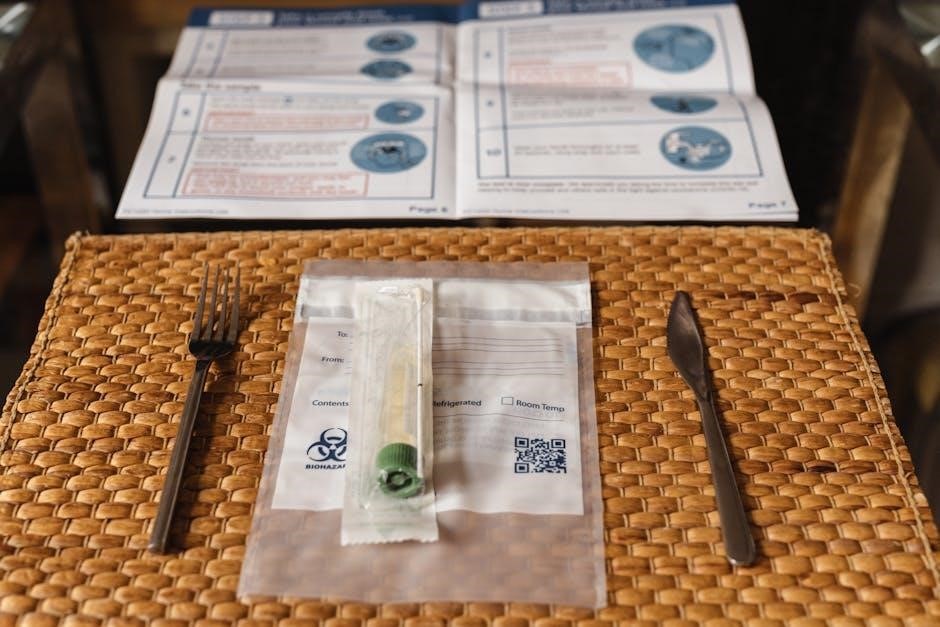
Diagnosing a Malfunctioning Ice Maker Module
If the self-test reveals an error code pointing towards the ice maker module, or if the unit consistently fails to cycle despite other components functioning correctly, the module itself may be defective. This component controls the entire ice-making process, from water fill to ejection. Diagnosing this requires careful consideration, as the module is often the most expensive part to replace.
Before assuming module failure, double-check all related components – the water inlet valve, the feeler arm, and the ice level sensor. A faulty sensor can falsely indicate a full bin, preventing operation. If these are confirmed functional, a multimeter can be used to test the module’s continuity, though this is best left to a qualified technician. Replacement typically necessitates professional assistance due to the complexity of the Thermador system.
Checking the Water Inlet Valve
A malfunctioning water inlet valve is a frequent culprit when your Thermador ice maker isn’t filling with water. This valve controls the water supply to the ice maker, and if it’s blocked or faulty, ice production will cease. Visually inspect the valve for any physical damage or kinks in the water line. Disconnect the power to the refrigerator before proceeding.
To test the valve, you can use a multimeter to check for continuity when it should be open during a fill cycle. However, a simpler method is to listen for a humming sound when the ice maker attempts to fill – silence suggests a problem. If the valve isn’t opening, it may need replacement. Ensure the water supply is turned on and the shut-off valve is fully open before testing or replacing.

Resetting Your Thermador Ice Maker
Often, a simple reset can resolve minor glitches, restoring functionality without needing immediate professional intervention for your Thermador ice maker.
Locating the Reset Button
Pinpointing the reset button on your Thermador ice maker can vary slightly depending on the specific model, but it’s generally found within the refrigerator’s ice maker compartment itself. Typically, you’ll want to examine the ice maker unit – often located in the upper section of the freezer. Look for a small, recessed button, sometimes labeled “Reset,” or it might be indicated by a symbol resembling a power icon.
In some instances, the reset button might be hidden behind the ice bin or a removable panel. Carefully check around the edges and corners of the ice maker housing. If you’re having trouble locating it, consulting your Thermador refrigerator’s user manual is highly recommended, as it will provide a precise diagram and instructions specific to your appliance model. Remember to always disconnect power before attempting any internal inspection or button pressing.
Step-by-Step Reset Instructions
To initiate a reset on your Thermador ice maker, begin by ensuring the ice bin is properly positioned and empty; Once located, gently press and hold the reset button for approximately 3-5 seconds. You may notice a slight click or a change in the ice maker’s internal sounds, indicating the reset process has begun.
After releasing the button, allow the ice maker a few minutes to cycle and restart its normal operation. During this time, it’s common for the unit to go through a brief initialization phase. Observe if ice production resumes within 20-30 minutes. If the ice maker doesn’t restart, repeat the reset process once more. If issues persist after multiple attempts, it’s advisable to consult a qualified technician.
When to Reset vs. When to Call a Technician
A reset is ideal for minor glitches like temporary freezes or sensor hiccups, often resolving issues quickly. However, if the self-test reveals consistent error codes, or if the ice maker fails to respond to multiple reset attempts, it signals a deeper problem. Don’t hesitate to contact a professional.
Persistent malfunctions, such as a complete lack of ice production despite a reset, or unusual noises emanating from the unit, warrant expert attention. Complex issues like a malfunctioning ice maker module or a faulty water inlet valve require specialized knowledge and tools. Ignoring these signs can lead to further damage and more costly repairs down the line, so prioritize professional help when needed.
Preventative Maintenance for Optimal Performance
Consistent filter changes, cleaning components, and monitoring freezer temperatures are vital for maintaining peak Thermador ice maker functionality and preventing future issues.
Regular Water Filter Replacement
Maintaining a clean water filter is paramount for optimal Thermador ice maker performance and the quality of your ice. Clogged filters restrict water flow, leading to diminished ice production or complete malfunction. Thermador recommends replacing the water filter every six months, or more frequently if you notice a decrease in ice output or a change in water taste.
Using genuine Thermador filters ensures compatibility and prevents damage to the ice maker system. Easily accessible, the filter is typically located within the refrigerator compartment. Replacing it involves a simple quarter-turn removal and installation process, detailed in your appliance’s user manual. Neglecting filter replacement can strain the water inlet valve and potentially affect the ice maker module, leading to costly repairs. Prioritizing this simple maintenance step safeguards your investment and guarantees consistently fresh, clean ice.
Cleaning the Ice Maker Components
Regular cleaning of your Thermador ice maker’s components is vital for hygienic ice production and preventing malfunctions. Over time, mineral deposits and ice debris can accumulate, hindering performance. Periodically wipe down the ice bin with a mild detergent and warm water, ensuring it’s thoroughly dried before reinstallation.
The ice maker’s ejector arm and sensor areas should also be gently cleaned to remove any obstructions. Avoid using abrasive cleaners or harsh chemicals, as these can damage the delicate parts. Inspect the water dispenser nozzle for buildup and clean it as needed. A clean ice maker operates more efficiently and extends the lifespan of your appliance. Consistent cleaning, alongside regular filter changes, contributes to a reliable and sanitary ice supply, ensuring your Thermador refrigerator remains in peak condition.
Monitoring Freezer Temperature
Maintaining the correct freezer temperature is paramount for optimal Thermador ice maker function. The ideal temperature range for a freezer is between 0°F and 5°F (-18°C and -15°C). Temperatures outside this range can cause ice maker issues, such as slow ice production or complete stoppage. Regularly check your freezer’s temperature using a thermometer, as the refrigerator’s internal display may not always be accurate.
Fluctuations can occur due to frequent door openings, improper sealing, or a malfunctioning thermostat. Ensure the freezer door seals are clean and intact to prevent warm air from entering. If the temperature consistently deviates from the recommended range, consider adjusting the freezer’s temperature settings or contacting a qualified technician for assistance. Consistent temperature monitoring safeguards your ice maker’s performance and ice quality.

Warranty Information and Repair Costs
Understanding your Thermador warranty coverage is vital, alongside researching typical repair expenses for common ice maker problems, ensuring informed decisions.
Understanding Your Thermador Warranty
Your Thermador warranty provides coverage for parts and labor on your ice maker, but the specifics depend on the model and purchase date. Generally, a limited one-year warranty covers defects in materials and workmanship for the entire appliance. However, sealed system components, like the compressor, often have an extended warranty period, potentially reaching five years.
It’s crucial to register your appliance promptly after purchase to activate the full warranty benefits. Keep your proof of purchase readily available, as it’s required for any warranty claims. The warranty doesn’t cover issues arising from improper installation, misuse, or lack of preventative maintenance, such as failing to replace water filters regularly.
Before seeking repairs, carefully review your warranty documentation to understand what’s covered and any associated deductibles or limitations. Knowing your warranty details can save you unexpected costs and streamline the repair process.
Average Repair Costs for Common Issues
Repair costs for a Thermador ice maker vary significantly depending on the problem. A simple fix, like replacing a clogged water filter, might cost between $20 and $50 for the part itself, with minimal labor if you DIY. However, a frozen water line requiring defrosting and inspection could range from $75 to $200, including a technician’s service call.
More complex issues, such as a malfunctioning ice maker module, can be considerably more expensive, potentially costing $300 to $600 for the part and labor. A faulty water inlet valve typically falls in the $150 to $350 range. Diagnostic fees, usually around $75 to $150, are often applied towards the total repair cost if you proceed with the fix.
These are average estimates, and actual costs can fluctuate based on your location, the technician’s rates, and the specific Thermador model.
Finding Qualified Thermador Technicians
Locating a skilled technician for your Thermador ice maker is crucial for effective repairs. Start by visiting the official Thermador website; they often provide a locator tool to find authorized service providers in your area. These technicians are specifically trained to handle Thermador appliances and use genuine parts.
Alternatively, explore reputable appliance repair companies with positive online reviews and a proven track record. Websites like Angie’s List and Yelp can offer valuable insights from previous customers. When contacting potential technicians, inquire about their experience with Thermador ice makers and their certification status.
Always request a detailed estimate before authorizing any work, outlining the cost of parts, labor, and any potential diagnostic fees. Verify their insurance and licensing to ensure a professional and reliable service.